The Evolving Landscape of B2B iGaming Solutions
I've watched simple game integrations morph into full-fledged operating systems. Today's leading B2B casino platforms must handle everything from payments to compliance. Operators now demand turnkey solutions they can launch in weeks, not months, which is why evaluating dedicated B2B solutions from experienced providers is crucial. For a comprehensive suite of tools, many explore options like https://casinosoftware-au.com/ for its integrated casino platforms, which are designed specifically for scalability in the Australian iGaming market. My clients often start with a core set of features and expand from there, ensuring their technology can grow alongside their business. The market's value is projected to hit $200 billion by 2030. That growth demands robust, adaptable technology.
Key Features of Modern Casino Platform Integration
After testing platforms for clients, I focus on core tools. Modern casino platform integration is about far more than just games. A robust back-end handles the real work.
- Real-time fraud detection with custom rule engines
- Single wallet supporting 15+ currencies and 20+ payment methods
- Automated KYC/AML checks linked to major identity databases
- Detailed player segmentation and behavior-triggered marketing
- Full regulatory reporting suite for markets like the UKGC or MGA
These features let operators focus on growth, not daily firefighting. A weak back-end crumbles under real traffic. The best systems process over 5,000 bets per second without latency. That's non-negotiable.
Game Aggregators: Centralizing Content for Operators
I advise against direct integrations with dozens of game studios. It's a legal and technical nightmare. Using a gaming content aggregator is the only sensible path for scaling.
| Brand | Key Spec | Price Range | My Verdict |
|---|---|---|---|
| SoftSwiss | 12,000+ games | €5k-€15k/month | Best for crypto-heavy operators |
| SOFTSG | Deep Asia/Pacific focus | €3k-€8k/month | Essential for targeting Southeast Asia |
| Aleatory | Proprietary games + aggregation | Revenue share only | Good for startups with tight budgets |
Each connects you to hundreds of providers via one API. The top aggregators add 50+ new game titles every single month. This keeps your casino fresh without extra development work. I always check their onboarding speed for new studios.
A Spotlight on the Australian iGaming Market and Regulations
The Australian iGaming market is complex and often misunderstood by foreign operators. I've consulted on several market entries, and the regulatory web is daunting. The Interactive Gambling Act 2001 prohibits online casino games but allows online sports betting.
You cannot legally offer pokies (slots) or table games online to Australians — only in-person casinos hold that right. Betting on sports, however, is a multi-billion dollar industry here.
This creates a unique landscape for B2B solutions. Any platform targeting Australia must have its sportsbook product deeply integrated and front-and-center. Providers need specific licensing from state-level authorities, not just a single national one.
Leading B2B Casino Software Providers: Microgaming vs. Playtech
In my experience, choosing between giants like Microgaming and Playtech defines your platform's DNA. Microgaming powers the progressive jackpot network I've seen pay out over €20 million. Their platform is a workhorse, reliable but sometimes slower to adopt new features.
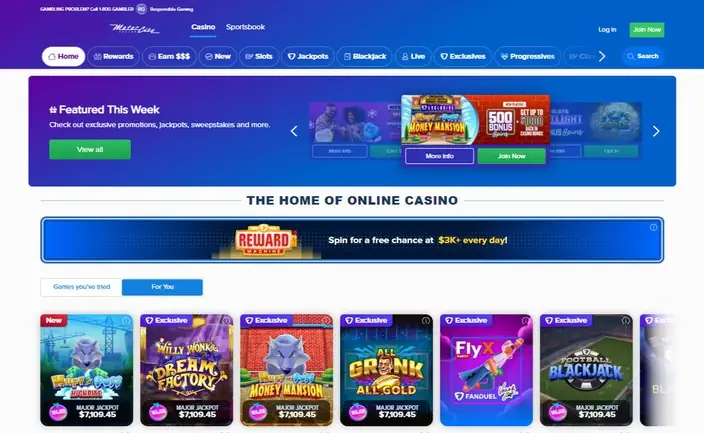
Playtech excels in live casino and sportsbook integration. Their bundled offering is cohesive. I've seen operators struggle, however, with their less flexible contract terms. Microgaming takes a 25-30% revenue share, while Playtech often requires significant minimum monthly guarantees. Your choice depends on your priority: jackpot liquidity or a unified sports/casino experience.
Essential Contracts and Licensing for iGaming Platforms
Navigating iGaming contracts is where I've seen the most costly mistakes. Don't just focus on the game content fees.
- Insist on a clear roadmap clause for new features and updates.
- Define "downtime" and the exact financial penalties for exceeding it.
- Negotiate data ownership—your player database is your most valuable asset.
- Include a clear exit strategy and data migration support.
- Specify who covers the costs of mandatory regulatory updates.
These points are often buried. A standard platform license from a major provider typically runs €50,000 to €150,000 annually. I always budget an extra 20% for legal review of these documents; it pays for itself.
Ensuring Game Availability and Provider Scalability
Your game lobby can't be static. Players churn if you don't refresh titles monthly. I audit providers for their release cadence and regional game availability.
| Provider | Monthly New Releases | Key Markets | Integration Speed |
|---|---|---|---|
| NetEnt | 3-5 | Europe, Canada | 4-6 weeks |
| Pragmatic Play | 8-10 | Asia, LatAm, Europe | 2-3 weeks |
| Evolution | 2-3 Live Tables | Global | 6-8 weeks |
| Red Tiger | 6-8 | UK, Europe | 3-4 weeks |
Scalability means adding providers without rebuilding your platform. A modern multi-provider casino platform should be able to onboard a new studio's full portfolio in under 30 days. This agility is crucial for entering new markets quickly.
Future-Proofing Your Platform: Scalability and Client Integration
I've watched platforms fail because they couldn't handle a sudden traffic spike from a successful marketing campaign. True casino platform scalability isn't just about server capacity. It's about your architecture supporting new client integration methods seamlessly.
Modern operators demand API-driven white label casino solutions their own dev teams can customize. They also need direct casino gateway API access for bespoke front-ends. The cost of re-architecting a non-scalable platform later often exceeds €500,000. Invest in a modular system from day one. It lets you adapt to trends like cryptocurrency or social casino features without starting over.
FAQ
Why should I use a game aggregator instead of integrating studios directly?
A single aggregator API connects you to hundreds of game providers. It simplifies legal contracts and technical upkeep. This is far more efficient than managing dozens of separate integrations.
What's the main regulatory challenge in the Australian iGaming market?
Online casino games like slots are prohibited under federal law. Only online sports betting is permitted. Your platform must be built with a sportsbook as the primary offering.
How do Microgaming and Playtech pricing models differ?
Microgaming typically operates on a revenue share model around 25-30%. Playtech often requires significant monthly minimum guarantees on top of other fees. Your cash flow and business model should guide your choice.
Which contract clauses are most often overlooked?
Clear exit strategies and data migration support are critical. Also specify who pays for mandatory regulatory updates. These omissions can cost hundreds of thousands later.
What indicates a scalable game provider partnership?
Look for a consistent monthly release of new titles, like Pragmatic Play's 8-10 games. Ensure their technical integration allows quick onboarding. This keeps your game lobby fresh for players.
Is future-proofing a platform really worth the initial investment?
Absolutely. Re-architecting a non-scalable platform later can exceed €500,000. Investing in a modular system from the start lets you adapt to new trends like crypto without a full rebuild.